Special
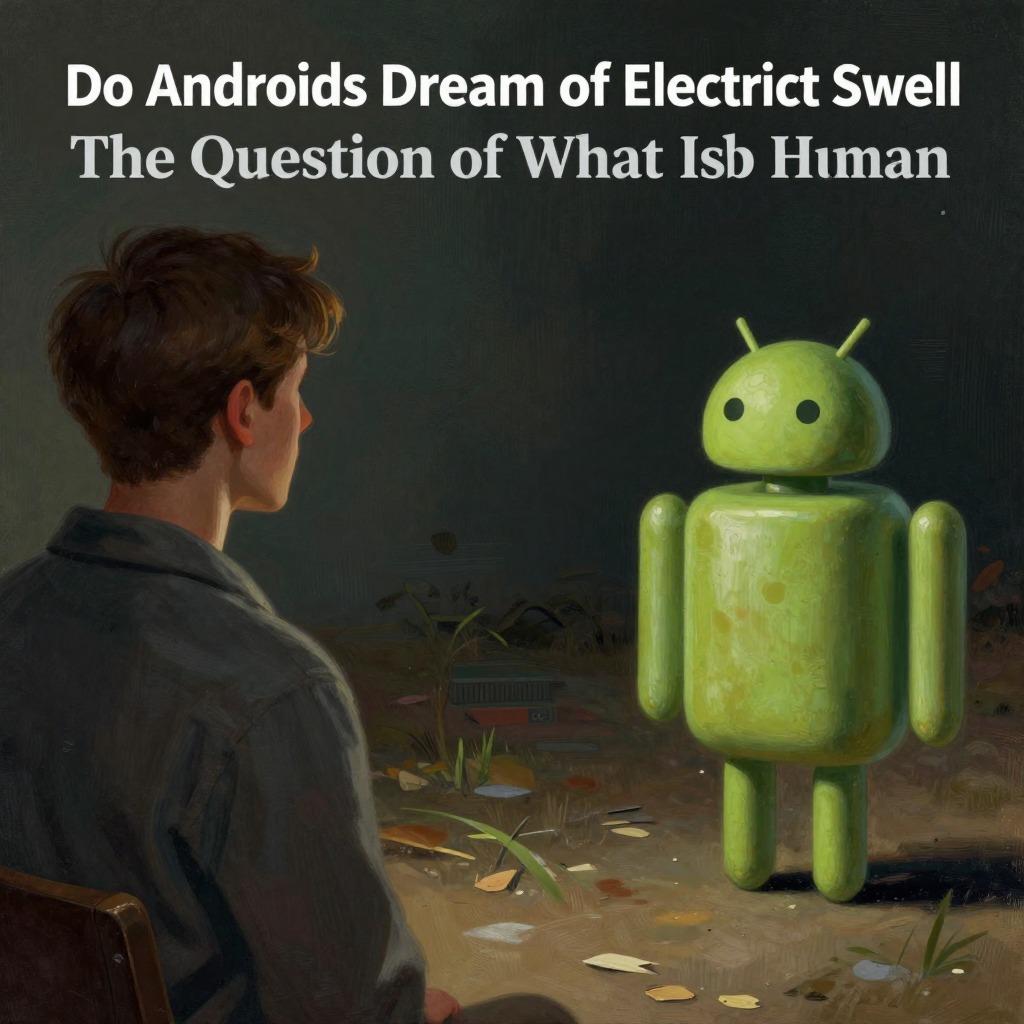
The Special is a legal and social classification that emerged in the aftermath of World War Terminus, designating individuals whose genetic or mental faculties have been compromised by the pervasive radioactive dust. This category, which includes the derogatory terms "chickenhead" and "anthead," strips its members of the right to emigrate to the colony worlds, effectively trapping them on a dying Earth. The classification is not merely a medical diagnosis but a profound social stigma, marking those who fail the minimum mental faculties test or whose genes have been distorted by the dust as less than fully human. As the saying goes, "Emigrate or degenerate! The choice is yours!" — but for Specials, the choice has already been made for them.
Origins and Legal Framework
The Special classification arose from the biological catastrophe of World War Terminus, when radioactive fallout began to cause widespread genetic mutations and intellectual decline. The United Nations, in its colonization program, made emigration easy for "regulars" but difficult if not impossible for those deemed biologically unacceptable. Once pegged as a Special, a citizen, even if accepting sterilization, "dropped out of history" and ceased to be part of mankind. The law created a stark binary: those who could pass the genetic and mental tests could emigrate and receive an android servant; those who could not were left behind, their very existence a menace to the "pristine heredity of the race." This system was enforced through monthly medical checkups by police doctors, who could reclassify a regular as a Special at any time.
Social Stigma and Daily Life
Specials face relentless contempt from the society that has abandoned them. John Isidore, a chickenhead who works for the Van Ness Pet Hospital, is acutely aware that his status makes him an object of scorn. He fears that if his new neighbor Pris Stratton discovers he is a chickenhead, she will not talk to him, reflecting the pervasive social rejection. The television advertisements for colonization, directed at remaining regulars, explicitly frighten Specials by informing them that they are not wanted and have no use. Even within the Mercerite faith, which preaches the sanctity of all life, Specials are often looked down upon, though Isidore finds solace in the empathy box, where Mercer does not care about one's mental status. The term "chickenhead" itself is a casual insult, used even by his employer Hannibal Sloat, who calls him that to his face, and by Pris, who refuses to live with him because of it.
The Tomb World and Entropy
For Specials like Isidore, the experience of the tomb world — a desolate, bone-strewn landscape of decay and silence — is a recurring psychological reality. This state of absolute entropy, where kipple (useless objects) reproduces itself and the world-silence threatens to supplant all tangible things, mirrors their social and biological decline. Isidore feels himself "fading out" when alone, and his encounter with the androids, who mutilate a spider he finds, plunges him back into this tomb world. The androids' cold, intellectual cruelty — cutting off the spider's legs to see what it will do — represents a force of destruction that Specials, with their heightened empathy, are uniquely vulnerable to. Yet it is also through Mercer that Isidore finds a way back from this abyss, as the old man lifts him from the tomb world and restores the mutilated spider.
Narrative and Thematic Significance
The Special classification serves as a crucial thematic counterpoint to the androids in the novel. While androids are intellectually superior but lack empathy, Specials are intellectually diminished but possess a profound, often painful capacity for empathy. John Isidore, the novel's primary Special, is the only human character who consistently shows genuine compassion for the androids, even after they mutilate his spider. His status as a chickenhead makes him an outcast, yet it also aligns him with the novel's central Mercerite values of fusion and shared suffering. The Special, in this sense, represents the human cost of the post-war world — those who are left behind, not because they are less human, but because the system has defined them as such. Their presence on Earth, clinging to life in decaying buildings, is a living testament to the failure of the emigration program and the slow violence of the dust.